Even the best solar PV systems need a little attention from time to time. While the panels themselves often last 25 years or more, the components behind the scenes — inverters, optimisers, cabling and monitoring equipment — occasionally need maintenance or replacement to keep the entire system performing at its peak.
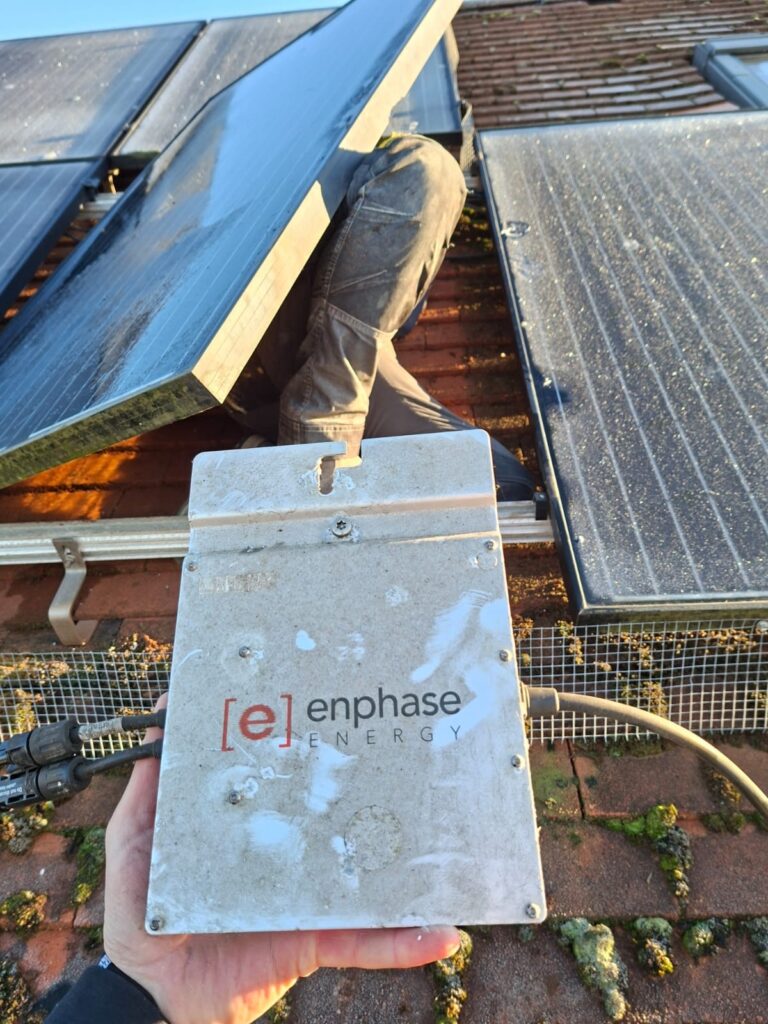
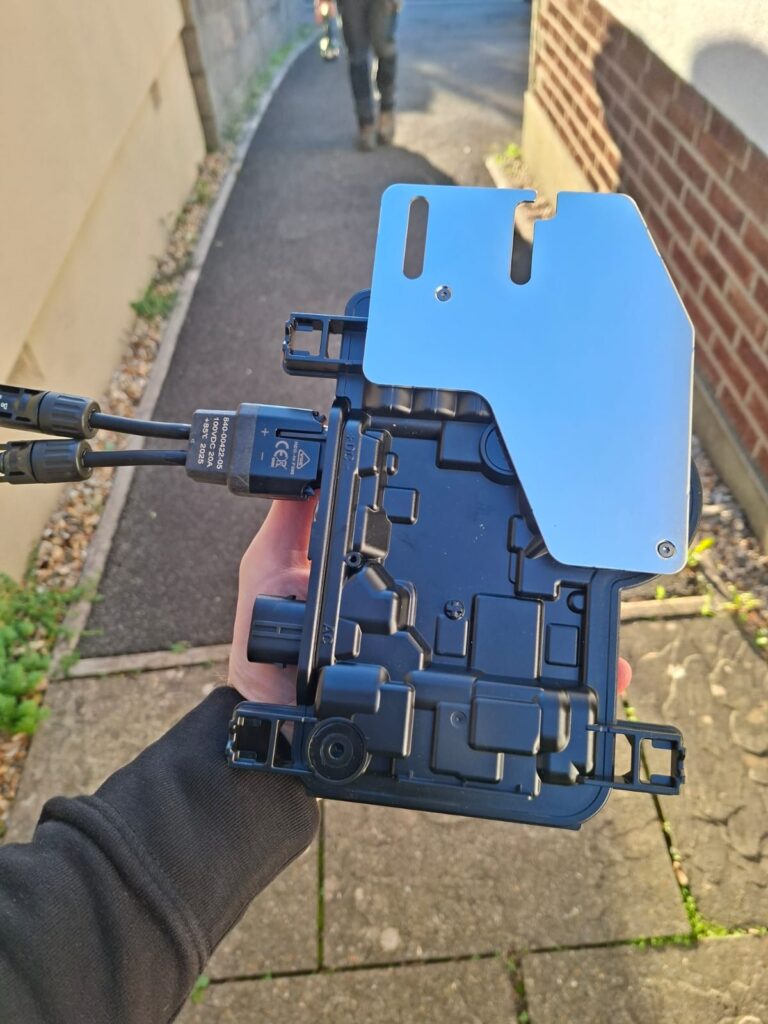
A recent job reminded us exactly why maintenance matters. One of our long-standing customers got in touch after noticing that a single Enphase microinverter wasn’t reporting back to their monitoring platform. Thanks to Enphase’s excellent warranties and reliable equipment, we were able to diagnose the fault quickly and replace the older M-Series microinverter with a brand-new Enphase IQ7 model.
But what made this visit extra special was the system itself — a system installed by one of our directors over 11 years ago, still going strong today apart from a single component showing its age. It’s a perfect example of how a well-installed, well-maintained solar PV system can continue delivering clean, reliable energy for more than a decade.
In this blog, we’ll break down what happened, how we fixed it, and why maintenance is essential for anyone with a solar PV system — whether it’s 1 year old or 10.
Diagnosing the Issue: When a Microinverter Stops Reporting
Modern solar PV systems rely heavily on smart monitoring. It allows homeowners to see exactly how much power is being generated, track performance over time, and spot potential issues long before they impact energy production.
In this case, the customer noticed that one of their Enphase microinverters had stopped reporting. The panels were still producing some energy, but without the inverter functioning correctly, the system wasn’t operating at full efficiency.
Because Enphase microinverters operate independently, faults like this are easy to isolate. Unlike string inverters — where one failure can reduce the performance of an entire string — microinverters limit the problem to a single panel. That’s one of the reasons customers choose Enphase technology in the first place.
After a quick on-site assessment, we confirmed the fault and checked the system’s warranty information.
The Power of Market-Leading Warranties
One of the biggest benefits of Enphase technology is the warranty support. The earlier M-Series microinverters came with industry-leading coverage — and in this case, that warranty was still active.
That meant:
- No costly repair bills
- No hassle for the customer
- A seamless swap to the latest compatible model
We were able to replace the faulty M-Series unit with a brand-new IQ7 microinverter, one of Enphase’s most reliable and efficient models to date.
Once installed, the IQ7 immediately began reporting data and performing exactly as expected — restoring the system to full working order.
For the customer, it was a quick, stress-free fix. For us, it was another reminder of the value of choosing high-quality equipment from reputable manufacturers.
Revisiting a System Installed 11 Years Ago
One of the stand-out moments of this job was the opportunity to revisit a system that one of our directors personally installed more than a decade ago.
Seeing a system still performing efficiently after 11 years demonstrates a few important points:
1. Good installation lasts.
Systems installed correctly from day one are far more likely to keep running without major issues.
2. Quality equipment pays off.
Enphase microinverters are known for longevity, reliability and smart monitoring. This job proved that reputation once again.
3. Maintenance keeps systems at peak performance.
Even the best equipment will eventually show signs of age. Replacing components at the right time maximises the lifespan of the whole system.
4. Monitoring saves energy and money.
Because the customer was actively checking their system’s performance, they caught the issue early — before it affected energy output significantly.
Returning to a system after 11 years and seeing it still generating clean energy is a brilliant reminder of why solar is such a great long-term investment.
Why Regular Solar Maintenance Is Essential
Many homeowners assume their solar PV system is completely “fit and forget.” While it’s true that solar requires very little upkeep, regular maintenance checks can make a huge difference, especially as systems start to age.
Here’s why solar maintenance matters:
1. Spot Issues Before They Reduce Output
Microinverters, inverters, and optimisers can fail silently. Monitoring and maintenance help prevent energy loss.
2. Extend the Life of Your System
Small issues caught early can prevent more expensive repairs later on.
3. Keep Your Warranty Valid
Some manufacturers require periodic checks to maintain full warranty cover.
4. Maximise Your Return on Investment
A well-maintained system continues to generate high output for 20–30 years.
5. Peace of Mind
Knowing your system is producing what it should gives you confidence in your investment.
When Should You Have Your Solar System Checked?
We recommend a solar health check every 1–2 years, or sooner if:
- Your monitoring app shows a drop in performance
- One or more panels stop reporting
- Your inverter displays a fault
- You’ve recently had extreme weather
- Your system is more than 7–8 years old
A check is quick, affordable and often pays for itself through regained performance.
Thinking Your Solar System Might Need a Check-Up?
If your solar PV system isn’t performing quite like it used to — or you just want peace of mind — our team is here to help.
From microinverter replacements to full system diagnostics, we can make sure your solar panels stay at their peak for years to come.
Book your solar health check today and keep your system running strong. ☀️💪

Do you need help from our experts?
Give us a call today to get expert advice and support from our experienced team.