
Solar panels have become increasingly popular across the UK as homeowners look for ways to reduce electricity bills and gain more control over their energy use. However, many early solar installations were completed without battery storage, simply sending unused energy back to the grid.
As energy prices rise and battery technology improves, a common question we hear from homeowners is:
Can you add a battery to an existing solar panel system?
The good news is that in most cases, yes, battery storage can be added to existing solar panels. In fact, retrofitting batteries is becoming one of the most popular upgrades for solar systems across the UK.
In this guide, we’ll explain how it works, what options are available, and when adding a battery makes the most sense.
Why Add Battery Storage to Solar Panels?
Without a battery, solar panels generate electricity during the day, but any energy you don’t use immediately is exported to the grid.
While export payments are available through the Smart Export Guarantee (SEG), they are usually much lower than the cost of buying electricity from the grid.
A battery allows you to store excess solar energy generated during the day and use it later when your home needs it most.
This typically means:
- More use of your own solar power
- Less electricity purchased from the grid
- Lower energy bills
- Greater energy independence
For many households, adding battery storage significantly increases the value of their solar system.
How Battery Storage Works with Existing Solar Panels
Battery storage systems are designed to store electricity generated by your solar panels.
During the day:
- Solar panels generate electricity
- Your home uses what it needs
- Surplus energy is stored in the battery
In the evening:
- The battery powers your home
- Less electricity is imported from the grid
This simple process allows homeowners to make better use of the electricity they generate themselves.
Can All Solar Systems Be Upgraded with a Battery?
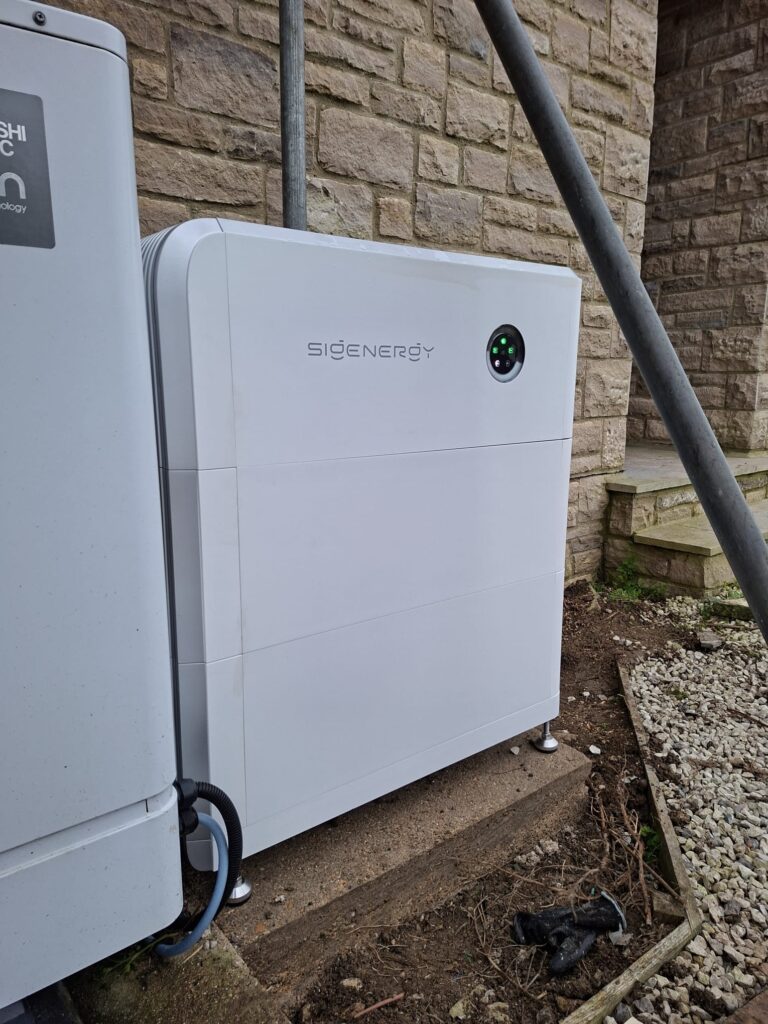
Most solar systems can be upgraded, but the method depends on the type of inverter already installed.
There are generally two common approaches.
AC-Coupled Battery Systems
This is the most common retrofit option.
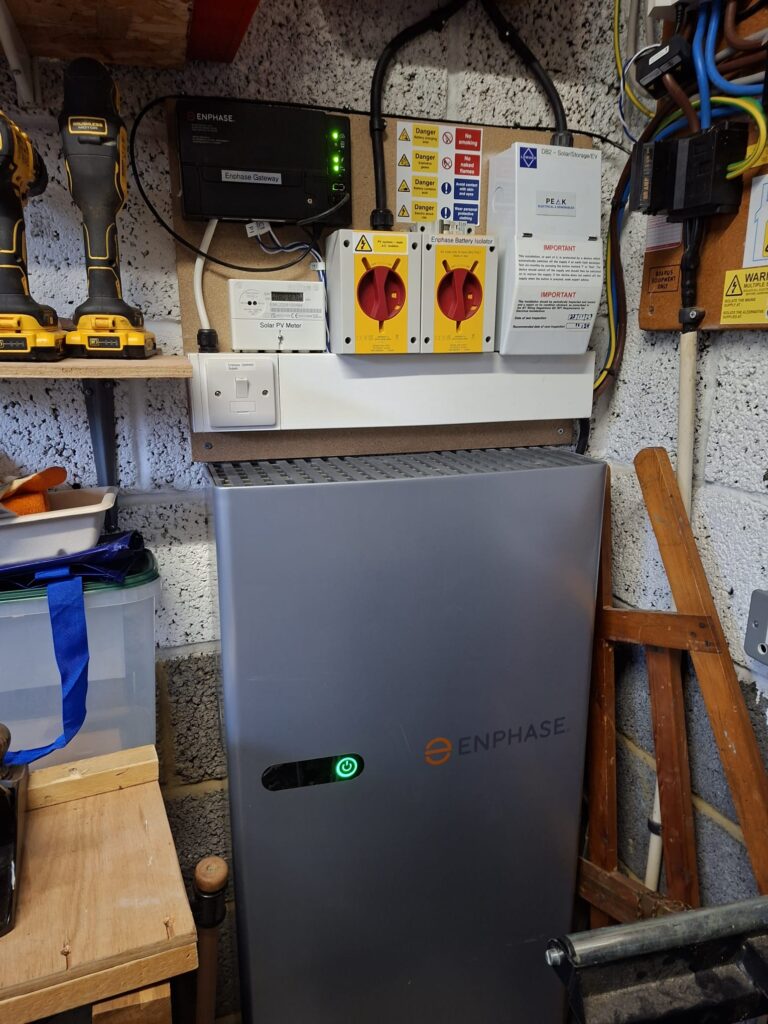
AC-coupled batteries work alongside your existing solar inverter and don’t require replacing the current system. The battery stores energy after it has already been converted into usable electricity.
Advantages include:
- Easier installation
- Compatible with many existing systems
- Ideal for upgrading older solar setups
Many retrofit battery installations in UK homes use this approach.
Hybrid Inverter Systems
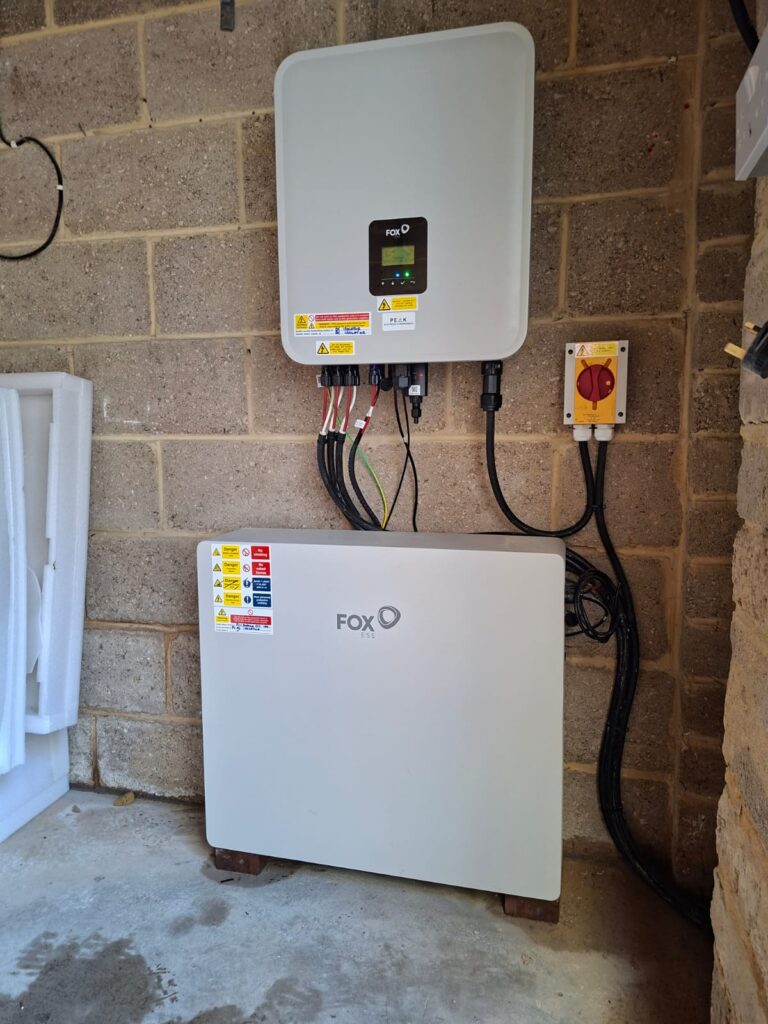
Some upgrades involve installing a hybrid inverter, which can manage both solar panels and battery storage in one system.
Hybrid systems are often used when:
- An inverter is due for replacement
- The solar system is being expanded
- A homeowner wants a fully integrated setup
While this approach can require more changes to the system, it can offer greater efficiency and monitoring capabilities.
How Much Battery Storage Do You Need?
Battery capacity is measured in kilowatt-hours (kWh) and the right size depends on your household’s electricity usage.
Typical examples include:
5kWh battery
- Suitable for smaller homes
- Covers evening energy use
10kWh battery
- Ideal for families
- Stores more daytime solar generation
15kWh+ battery
- Higher energy demand homes
- Useful for EV charging or heat pumps
Choosing the correct size ensures the system performs efficiently without overspending on capacity you may not use.
The Benefits of Retrofitting Battery Storage
Adding a battery to an existing solar system can provide several key benefits.
Increased Self-Consumption
Instead of exporting excess energy to the grid, you store it and use it yourself.
Lower Energy Bills
Using stored solar power reduces how much electricity you need to buy from your energy supplier.
Energy Security
Battery storage can help provide stability during periods of higher electricity demand.
Future-Proofing
As energy technology evolves — with electric vehicles and heat pumps becoming more common — battery storage allows your home energy system to adapt.
When Is the Best Time to Add a Solar Battery?
The best time to consider battery storage is when:
- Your solar panels are producing excess energy during the day
- Energy bills are rising
- Your household electricity use has increased
- You’re planning to install an EV charger
Many homeowners choose to add a battery a few years after their original solar installation once they understand their usage patterns.
How Long Do Solar Batteries Last?
Modern lithium-ion solar batteries typically last 10–15 years depending on usage and manufacturer warranties.
Many systems also include advanced monitoring apps, allowing homeowners to track:
- Solar generation
- Battery storage levels
- Household energy usage
This gives clear visibility over how the system is performing.
Can You Add a Battery to Any Existing Solar System?
While most systems can be upgraded, there are a few things that need to be checked first.
These include:
- The type and age of your inverter
- Available space for battery installation
- Electrical compatibility
- Current solar system performance
A quick system review usually confirms whether a battery can be added and which option would work best.
Solar Batteries Are Becoming a Popular Upgrade
Across the UK, more homeowners are revisiting solar systems installed several years ago and upgrading them with battery storage.
Advances in battery technology have made systems more efficient, more compact, and more cost-effective than they were even a few years ago.
For many households, retrofitting a battery is one of the simplest ways to increase the value of an existing solar installation.
Final Thoughts
If you already have solar panels installed, adding battery storage can be a smart way to maximise the energy your system generates.
Instead of exporting excess electricity to the grid, you store it for later use, reducing your reliance on purchased electricity and improving the overall efficiency of your solar setup.
Every system is different, so the best approach is always to review your current installation and determine what upgrade options are available.
In many cases, expanding your solar system with battery storage is easier than people expect — and can make a significant difference to long-term energy savings.
Do you need help from our experts?
Give us a call today to get expert advice and support from our experienced team.