
Choosing to install solar panels is a big step towards reducing your electricity bills and becoming less dependent on the grid. One of the first questions most homeowners ask is how large their solar panel system needs to be.
There is no single answer that suits every property. The right solar system size depends on your electricity use, available roof space, budget, roof direction and future plans. A household planning to buy an electric vehicle may need a different system from someone with relatively low daytime electricity use.
In this guide, we explain how solar panel systems are sized and what homeowners across Dorset and Hampshire should consider before arranging an installation.
What Does Solar System Size Mean?
Solar panel systems are normally measured in kilowatt peak, often shown as kWp.
This figure describes the maximum combined output of the solar panels under standard testing conditions. For example, a 5kWp solar system has a maximum rated panel output of 5 kilowatts.
The size of the system does not tell you exactly how much electricity it will generate each day. Actual performance depends on several factors, including:
- Roof direction
- Roof pitch
- Shading
- Panel efficiency
- Local weather conditions
- Time of year
- System design
A well-designed system should take all of these points into account rather than simply fitting as many panels as possible.
How Many Solar Panels Does the Average Home Need?
The number of panels required depends on the output of the individual panels being installed.
Modern residential solar panels often have a rated output of around 400W to 500W each. This means a 5kWp system may require roughly 10 to 13 panels, depending on the chosen equipment.
As a general example:
- A 3kWp system may use around 7 or 8 panels
- A 4kWp system may use around 9 or 10 panels
- A 5kWp system may use around 11 or 12 panels
- A 6kWp system may use around 13 to 15 panels
These are only approximate figures. Panel dimensions, output and roof layout can all affect the final design.
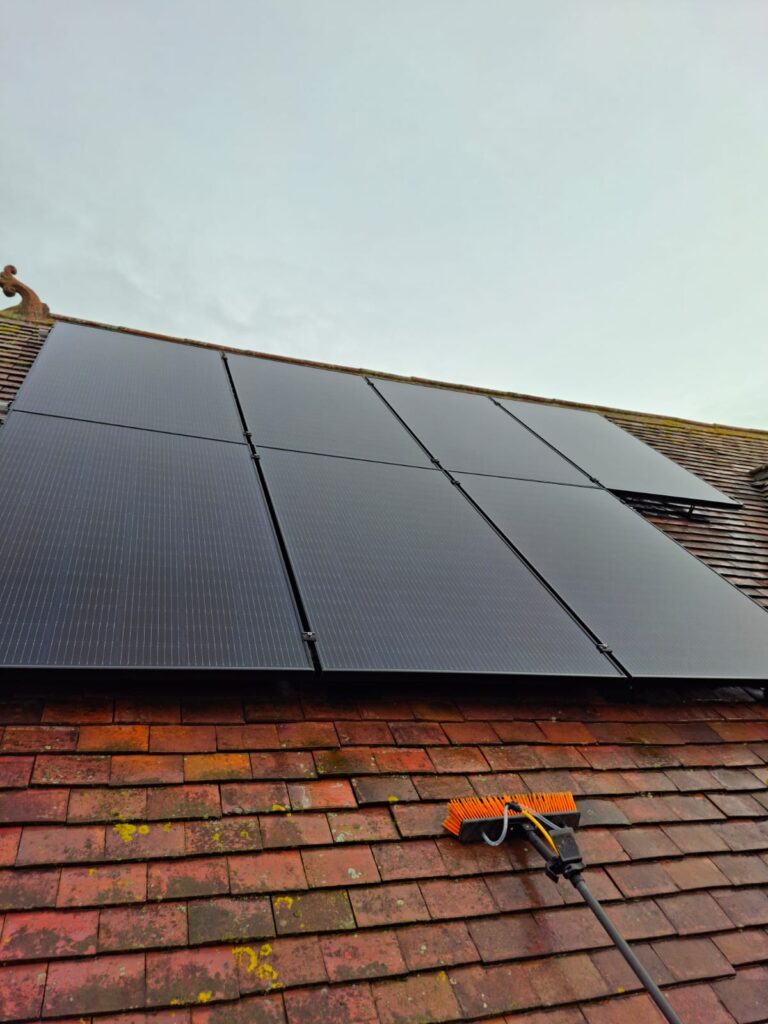
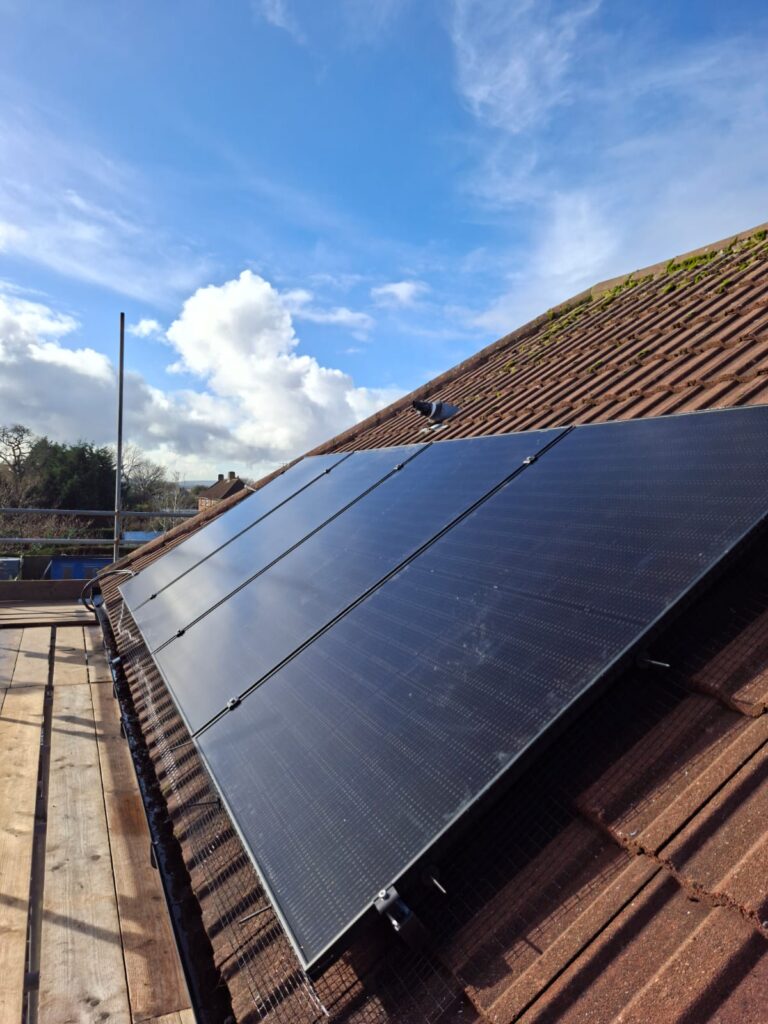
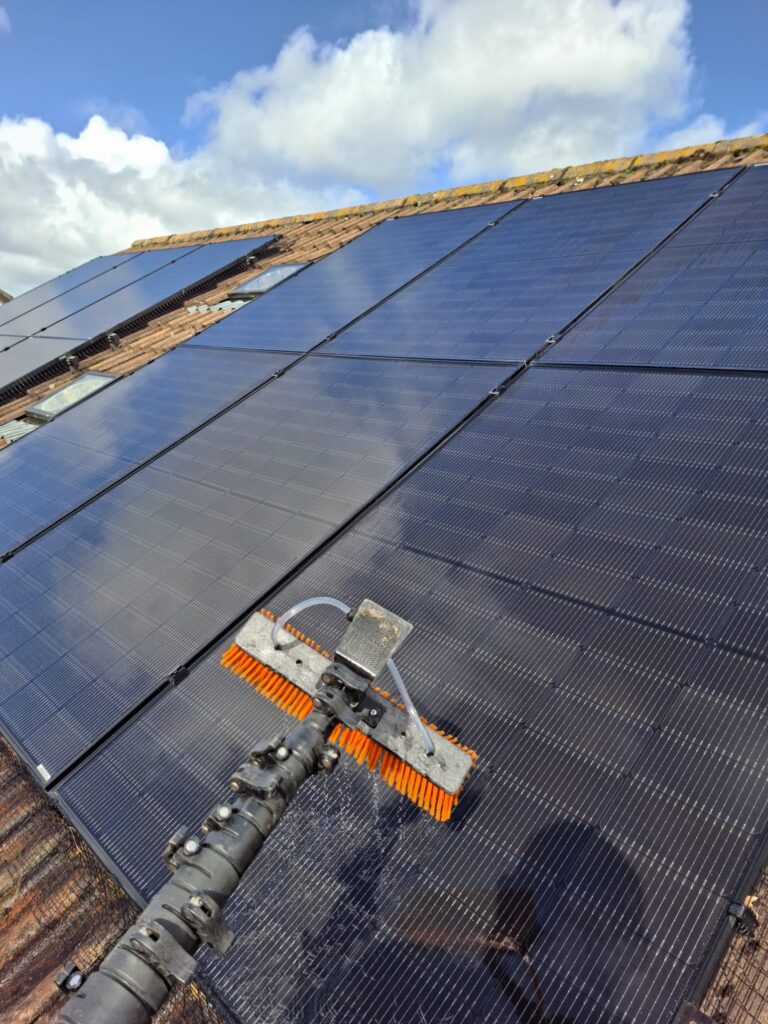
Some roofs can accommodate one large rectangular array, while others may require panels to be split across different roof sections.
Start With Your Electricity Usage
Your annual electricity consumption is one of the most important factors when choosing a solar panel system.
You can usually find your annual usage on your electricity bill or energy supplier account. It will be shown in kilowatt-hours, or kWh.
A smaller household may use around 2,000 to 3,000kWh of electricity each year. A larger family home may use 4,000 to 6,000kWh or more.
Properties with electric heating, heat pumps, hot tubs, air conditioning or electric vehicles may use considerably more.
Your installer should review both your total annual use and when you use electricity. Two households may consume the same amount each year but have very different daily routines.
A household occupied throughout the day may use more solar electricity directly. A household that is empty during working hours may benefit more from battery storage.
Is a Bigger Solar System Always Better?
Installing the largest system your roof can hold is not always the best approach.
A larger system may generate more electricity, but you also need to consider how that energy will be used. If most of the electricity is exported to the grid rather than used or stored, the additional panels may take longer to repay their cost.
That said, fitting a larger system can make sense when:
- You plan to buy an electric vehicle
- You are considering a heat pump
- Your family is likely to grow
- You work from home
- You expect electricity use to increase
- You want to add battery storage
- Your property has high daytime demand
The correct design should balance available roof space, energy use, storage capacity and future plans.
How Roof Direction Affects System Size
South-facing roofs usually offer the strongest overall solar generation in the UK. However, east-facing and west-facing roofs can also perform very well.
An east-facing array will generate more electricity in the morning, while a west-facing array will produce more later in the day. For many families, this can match household energy use better than a single south-facing roof.
A system split across east and west roof sections may need more panel capacity to produce the same annual output as a south-facing system. It can still provide excellent results, particularly when electricity is used throughout the day.
North-facing roofs generally produce less electricity, but they are not automatically unsuitable. The roof pitch, panel type and expected return should be assessed before making a decision.
What If My Roof Has Shading?
Shading from trees, chimneys, dormer windows and nearby buildings can reduce solar panel output.
The impact depends on how much of the roof is shaded and at what time of day. A small amount of morning or evening shade may have limited effect. Heavy shade during the middle of the day can have a much greater impact.
Modern system designs can help reduce the effect of partial shading. Microinverters or panel-level optimisers allow individual panels to operate more independently.
This means one shaded panel is less likely to affect the performance of the entire array.
A proper survey is important because online estimates do not always show local shading accurately.
Should You Plan for an Electric Vehicle?
An electric vehicle can significantly increase household electricity use.
The additional demand will depend on:
- Annual mileage
- Vehicle efficiency
- How often you charge at home
- Whether charging takes place during the day or overnight
Planning for an EV before your solar installation gives your installer the opportunity to size the system more effectively.
Some households may benefit from fitting additional panels now, even if the electric vehicle is not being purchased immediately. This can be more cost-effective than returning to expand the system later.
A solar-compatible EV charger can also help direct surplus generation into the vehicle when conditions allow.
Should You Plan for a Heat Pump?
Heat pumps can reduce reliance on gas or oil, but they increase electricity consumption.
The amount of additional electricity required will vary according to the property, insulation, heating system and heat pump design.
Solar panels will not usually cover all heat pump demand, particularly during winter. However, they can contribute towards annual running costs and help reduce grid electricity use during brighter months.
Homeowners planning to install both technologies should discuss the two systems together. This helps create a more joined-up home energy plan.
What Size Battery Do You Need?
Solar panel size and battery size should be considered together.
A battery stores surplus solar electricity so it can be used later. This is useful for households that generate more energy during the day than they can use immediately.
Common residential battery sizes include:
- 5kWh for smaller households or lower evening demand
- 10kWh for average family homes
- 15kWh or more for higher-use properties
The right battery depends on your electricity use, solar generation and tariff.
A battery that is too small may fill quickly, leaving more energy to be exported. A battery that is too large may not be fully charged during much of the year.
Some modular battery systems can be expanded later. This can be useful when energy needs are expected to change.
Typical Solar System Sizes for Dorset and Hampshire Homes
Every property requires an individual assessment, but the following examples give a useful starting point.
Small Home or Lower Energy Use
A 3kWp to 4kWp system may suit a smaller home with moderate electricity use and limited roof space.
This could include:
- A one or two-bedroom property
- One or two occupants
- No electric vehicle
- Gas central heating
- Lower daytime demand
Average Family Home
A 4kWp to 6kWp system is common for family homes with regular electricity use.
This may suit:
- Three or four-bedroom homes
- Families with children
- Regular use of appliances
- Home working
- Battery storage
Larger or Higher-Use Property
A system above 6kWp may be more appropriate for properties with higher demand.
This could include:
- Larger detached homes
- Multiple electric vehicles
- Heat pumps
- Home offices
- Electric heating
- Larger battery systems
Some properties may require more complex electrical design or additional approval before a larger system is connected.
Does Location Make a Difference?
Homes across Dorset and Hampshire are well placed for solar generation, but performance still varies from property to property.
Coastal homes in places such as Poole, Bournemouth, Christchurch and Weymouth may need equipment chosen with salt exposure and wind conditions in mind.
Properties in more rural areas may experience shading from trees or increased debris on the panels.
Homes in Southampton, Winchester, Fareham and surrounding areas may have different roof styles, planning considerations and electricity usage patterns.
The county matters for local conditions, but the individual roof and household demand are more important than the postcode alone.
How Is the Correct System Size Calculated?
A professional solar assessment should consider:
- Annual electricity consumption
- Daytime and evening usage
- Available roof area
- Roof orientation and pitch
- Shading
- Panel output
- Inverter capacity
- Battery requirements
- EV charging plans
- Heat pump plans
- Budget
- Expected generation
- Likely financial savings
The aim is to design a system that fits the property and delivers realistic long-term value.
A good quotation should explain why a particular system size has been recommended. It should also include an estimated annual generation figure rather than focusing only on the number of panels.
Can an Existing Solar System Be Expanded?
In many cases, yes.
Additional panels or battery storage may be added to an existing system, although the options depend on the original equipment and electrical design.
Systems using microinverters can often be easier to expand because each panel operates independently. Battery storage can also be retrofitted to many existing installations.
However, expanding later may involve additional scaffolding, electrical work and connection requirements. Where possible, it is sensible to think about future demand during the original design stage.
Why Proper Solar Design Matters
Solar panel installation is not simply about covering the roof with panels.
Good design can improve:
- Annual electricity generation
- Self-consumption
- Battery performance
- System reliability
- Financial savings
- Long-term flexibility
An oversized, undersized or poorly positioned system may not deliver the expected results.
A properly designed system should match the way your household uses electricity now while allowing for realistic future changes.
Solar Panel System Design in Dorset and Hampshire
Peak Renewables designs and installs solar panel systems for homes across Dorset and Hampshire.
Each installation is based on the property, roof layout and household energy requirements. Whether you need a compact residential system or a larger setup with battery storage and EV charging, the design should be tailored to how you use energy.
If you are considering solar panels, reviewing your electricity bills and future plans is a useful first step. From there, a property survey can establish what will fit on the roof and how much electricity the system is expected to produce.
What Size Solar Panel System Is Right for You?
The right solar panel system is not necessarily the largest or most expensive option.
It is the system that balances your electricity use, available roof space, future plans and budget.
For some homes, a smaller setup will provide the best return. For others, it makes sense to install additional capacity for an EV, heat pump or growing energy demand.
The most reliable way to find the right answer is through a detailed assessment based on your property and actual electricity use.
Do you need help from our experts?
Give us a call today to get expert advice and support from our experienced team.