
After a well-earned break, the Peak Renewables team was straight back to work with a new residential solar installation in Blandford, Dorset.
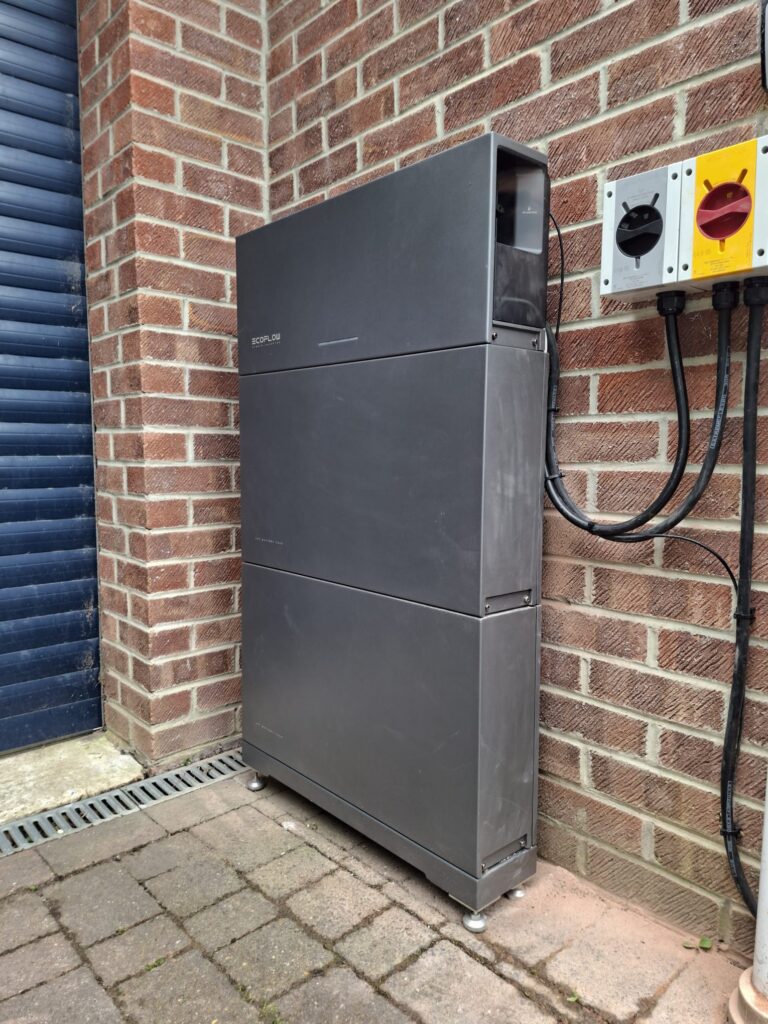
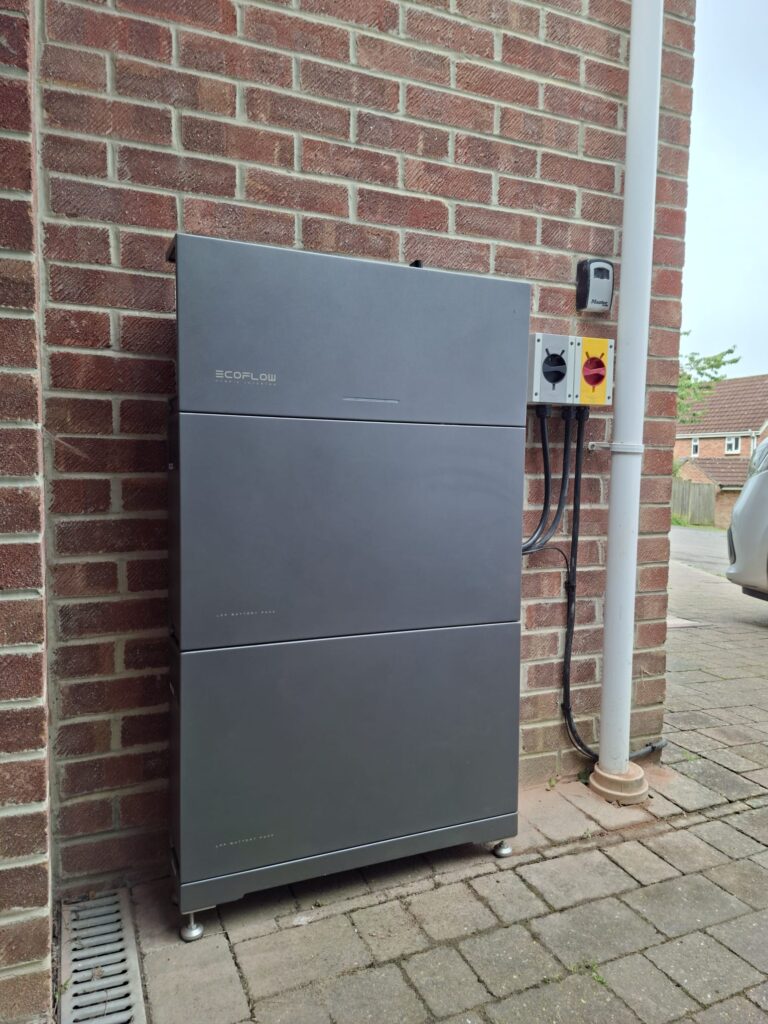
This project combined high-output Aiko solar panels with an EcoFlow hybrid inverter and 10kWh of battery storage. The result is a compact but capable home energy system designed to help the customer generate more of their own electricity, store surplus energy and reduce the amount they need to buy from the grid.
Every solar installation needs to be designed around the property and the way the household uses electricity. For this home, the available roof space, expected generation and battery requirements were considered together to create a practical system that suited the customer’s needs.
The Blandford Solar Installation
The completed system includes:
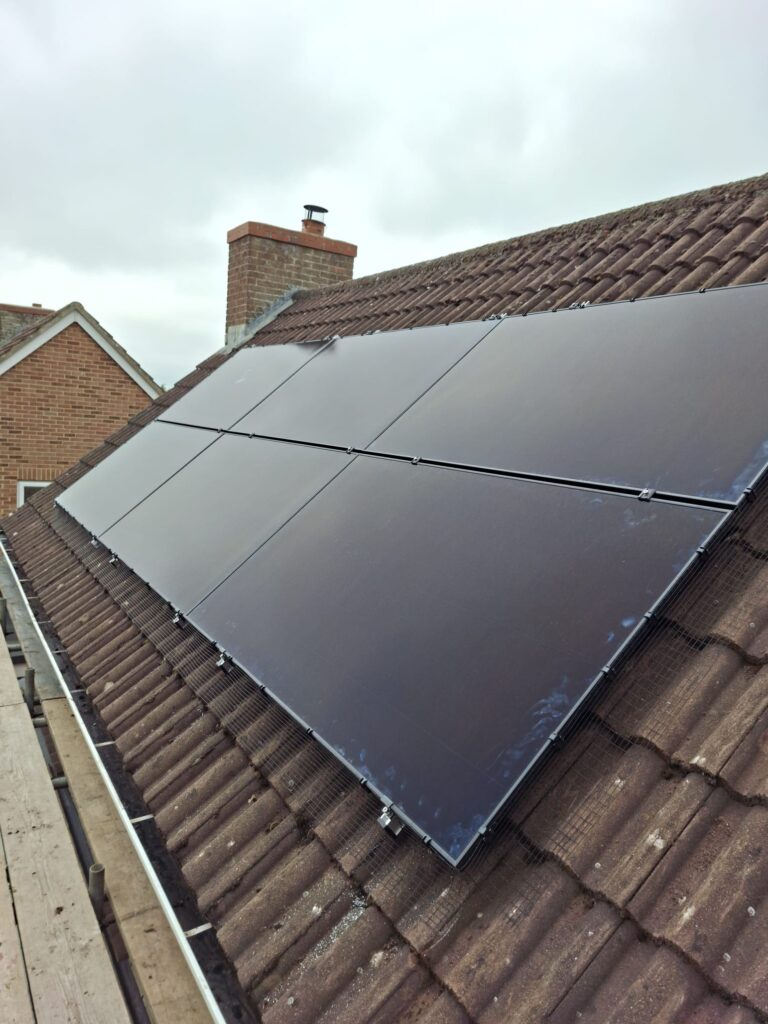
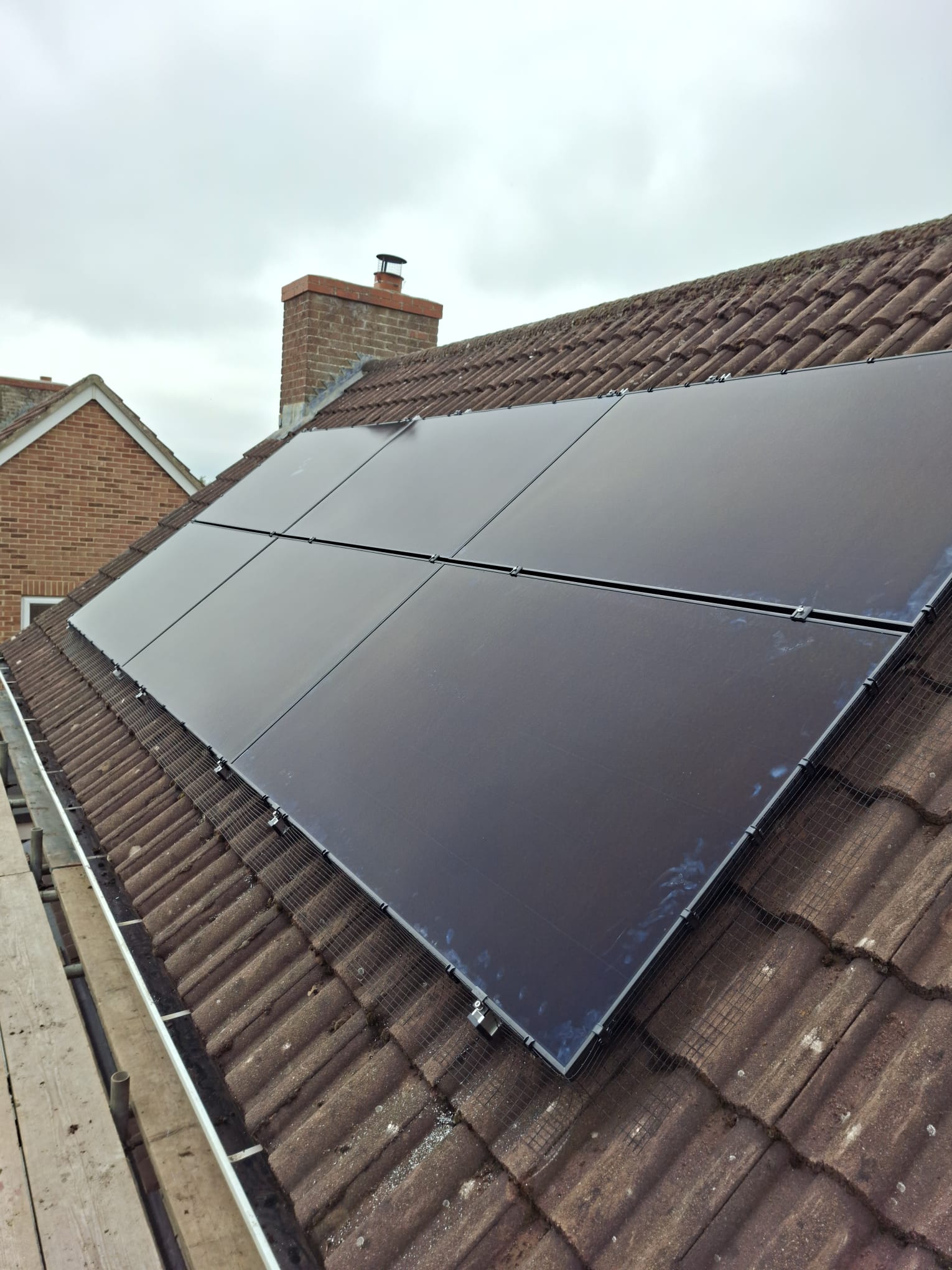
- Six 530W Aiko solar panels
- An EcoFlow 6kW hybrid inverter
- 10kWh of EcoFlow battery storage
- Bird protection fitted around the solar array
The six panels provide a combined rated capacity of approximately 3.18kWp. While this is a relatively compact solar array, the use of high-output 530W panels allows the customer to generate a useful amount of electricity from a limited section of roof.
The 10kWh battery provides plenty of capacity to store surplus electricity for use later in the day. This is especially useful for households that are away during the daytime or use more electricity during the evening.
Making Good Use of the Available Roof Space
Not every home has a large, uninterrupted roof that can accommodate a wide solar array. Chimneys, roof windows, orientation and shading can all affect how many panels can be installed.
For this property in Blandford, six high-output Aiko panels were selected to make efficient use of the available space. Higher-wattage panels can be particularly helpful where the roof area is limited, as fewer panels are needed to achieve the required system capacity.
The finished array sits neatly on the tiled roof and has been positioned to make the best use of the suitable area available.
A good solar design is not simply about installing the largest number of panels possible. It is about choosing the right equipment, positioning it correctly and making sure the generation works well with the rest of the home energy system.
Why Choose Aiko Solar Panels?
Aiko panels are known for combining high power output with a clean, modern appearance. On residential properties, this can be useful because homeowners often want a system that performs well without dominating the roof.
For this Blandford installation, the 530W panels provide strong output from a relatively small array.
The benefits of choosing high-output panels can include:
- More generation from limited roof space
- Fewer panels required to achieve the target capacity
- A cleaner roof layout
- Improved use of suitable, unshaded areas
Panel choice should always be based on the property rather than wattage alone. Size, efficiency, warranties, roof layout and compatibility with the rest of the system all need to be considered.
What Does a Hybrid Inverter Do?
The EcoFlow 6kW hybrid inverter is a key part of this installation.
Solar panels generate direct current electricity, but household appliances use alternating current. The inverter converts the electricity generated by the panels into a form the home can use.
A hybrid inverter also manages the flow of electricity between the solar panels, the battery, the property and the grid.
During daylight hours, the electricity generated by the panels can be used within the home first. Any surplus can then be directed into the battery. Once the battery is charged, further unused electricity may be exported to the grid, depending on how the system is configured.
When the panels are no longer producing enough electricity, the home can draw power from the battery instead of immediately importing everything from the grid.
Bringing these functions together helps create a more joined-up and manageable system.
The Benefits of 10kWh Battery Storage
Battery storage can make a major difference to how much solar electricity a household uses itself.
Without a battery, any electricity generated but not used immediately is usually exported to the grid. The homeowner then needs to buy electricity back later when the panels are producing less.
With 10kWh of storage available, this Blandford customer can keep more of the electricity generated during the day and use it during the evening or at other times when household demand is higher.
This can help to:
- Increase the use of self-generated electricity
- Reduce reliance on grid power
- Lower exposure to peak electricity prices
- Make better use of the solar panels throughout the year
- Provide clearer control over household energy consumption
The correct battery size depends on several factors, including daily electricity use, the size of the solar array and the customer’s tariff.
A larger battery is not automatically better. It needs to be matched sensibly to the household and the amount of energy likely to be available for charging.
Solar Panels and Batteries Work Best as One System
Solar panels and battery storage are often discussed separately, but they usually deliver the greatest benefit when they are designed to work together.
The panels generate electricity when daylight is available. The battery gives the homeowner the option to save some of that electricity for later.
For example, a household may generate more solar power around the middle of the day but use most of its electricity in the morning and evening. Battery storage helps bridge that gap.
Smart monitoring also allows homeowners to see how much electricity is being generated, stored, used and imported. This can make it easier to adjust daily habits and get more value from the system.
Simple changes, such as running appliances during periods of stronger generation, can further reduce grid consumption.
Why Solar Works Well for Dorset Homes
Homes across Blandford and the wider Dorset area can be well suited to solar power, although every property still needs an individual assessment.
The roof direction, pitch, shading and available space all affect how much electricity a system is likely to generate.
A professional solar survey should also consider:
- Current annual electricity use
- Daytime and evening consumption
- Whether the customer plans to buy an electric vehicle
- Future heating changes
- Battery requirements
- Available installation space
- Electrical supply and connection requirements
Looking at the complete picture helps avoid an undersized or poorly matched system.
Helping Blandford Homeowners Reduce Grid Reliance
More homeowners in Blandford Forum and across Dorset are looking at solar panels and battery storage as a way to gain greater control over their energy use.
Electricity prices can change, but the energy generated by a home solar system can be used without purchasing the same amount from an energy supplier.
The exact savings will vary from one household to another. They depend on system performance, tariff rates, electricity consumption and how much solar power is used within the property.
That is why realistic system design is so important. Customers should receive clear generation estimates based on their property rather than broad promises that may not reflect their actual home.
Solar Panel Installation in Blandford and Dorset
Peak Renewables installs solar panels, battery storage and integrated home energy systems across Blandford, Poole, Bournemouth and the wider Dorset and Hampshire areas.
Every system is designed around the property, available roof space and the customer’s energy needs.
Whether you are considering solar panels for the first time or want to add battery storage to an existing installation, the first step is to understand what your home can support and what system size is likely to offer the best value.
Do you need help from our experts?
Give us a call today to get expert advice and support from our experienced team.