Solar Panels for Farms and Rural Businesses in Dorset and Hampshire
For farms, estates and rural businesses, energy use can be one of the biggest ongoing costs. From refrigeration and workshops to machinery, lighting, offices and outbuildings, many rural sites use a significant amount of electricity throughout the day.
That is why more landowners and business owners across Dorset and Hampshire are looking at solar PV as a practical way to reduce running costs and make better use of their available space.
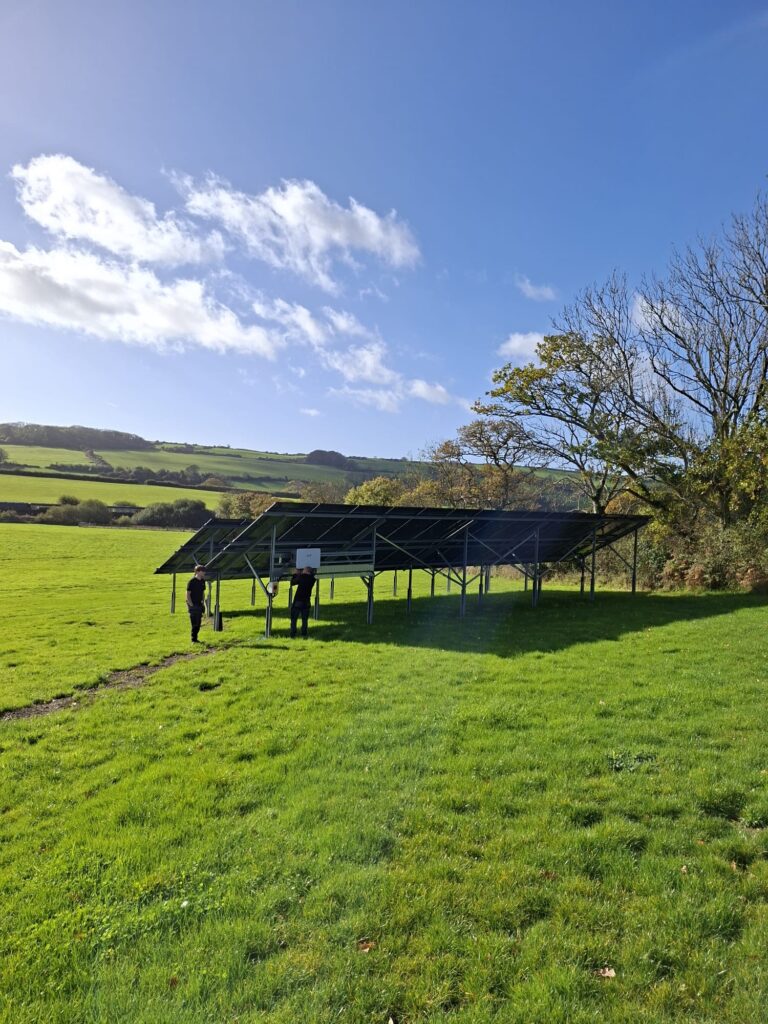
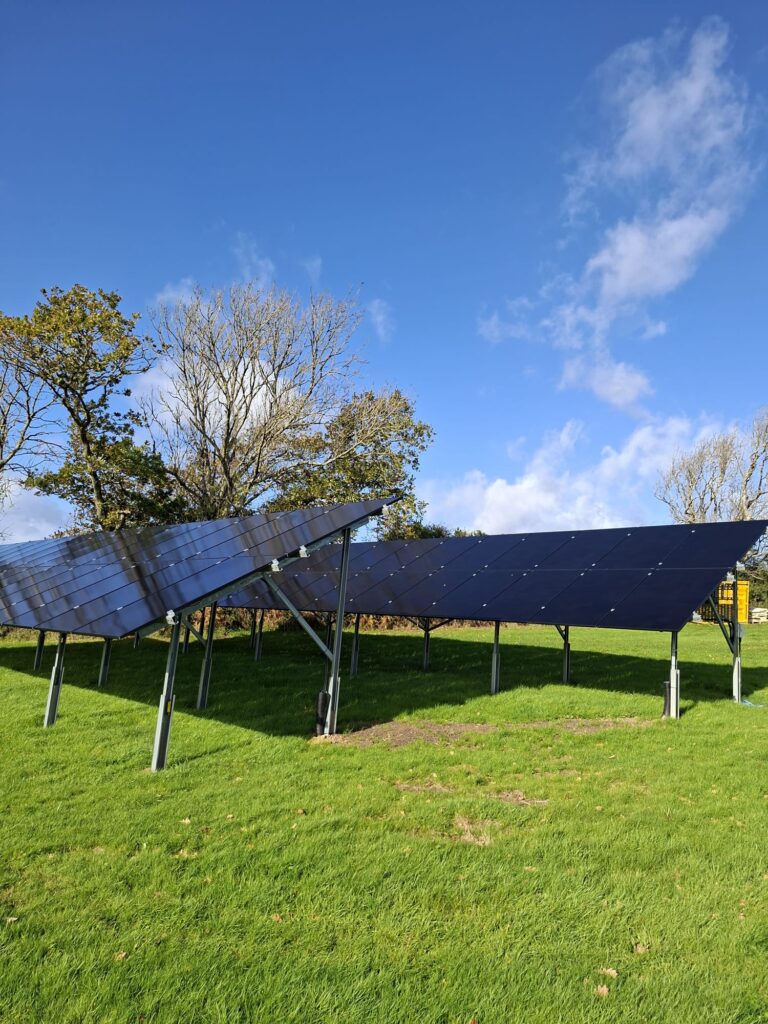
Unlike a standard residential property, farms and rural businesses often have large roof areas, open sites and daytime energy demand. This can make them especially well suited to solar panels and battery storage when the system is designed properly.
Why Farms Are Often Well Suited to Solar
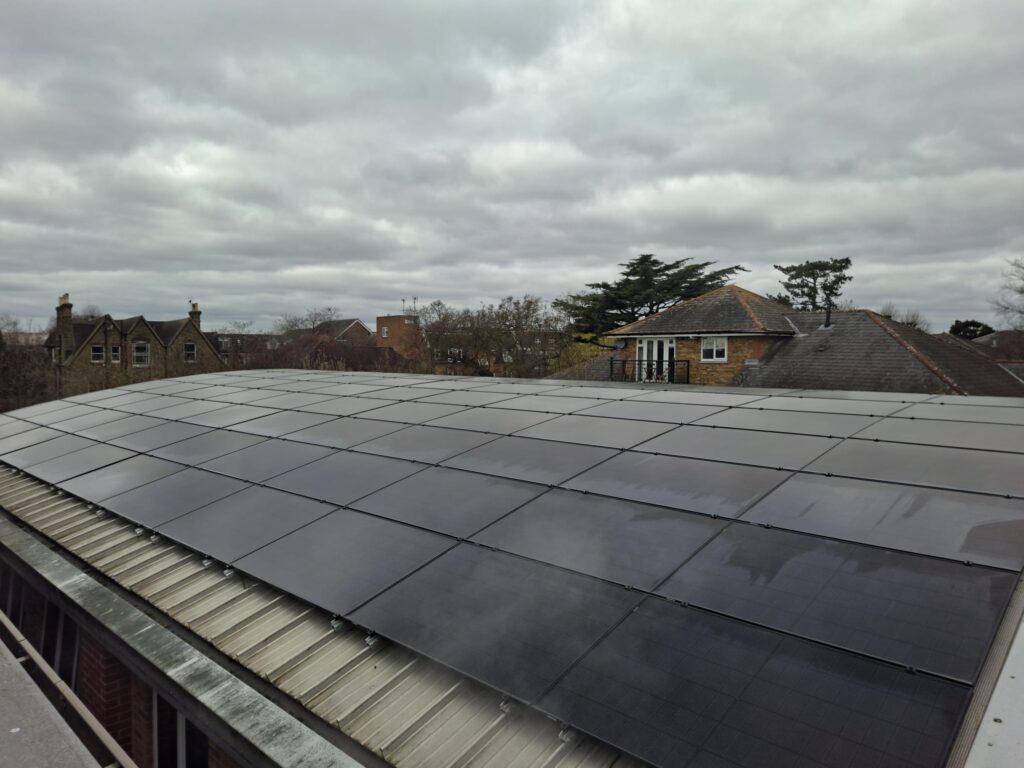
Many agricultural and rural properties have buildings that are ideal for solar panel installation.
These may include:
- Barns
- Grain stores
- Workshops
- Stables
- Storage buildings
- Farm offices
- Commercial units
- Machinery sheds
Large roof spaces can allow for bigger solar arrays, which can generate a useful amount of electricity for the business.
For farms around Blandford, Dorchester, Wimborne, Ringwood, Winchester, Andover and the wider Dorset and Hampshire areas, this can be a strong way to put existing buildings to better use.
Rather than leaving roof space unused, solar panels can turn it into a long-term energy asset.
Matching Solar Generation to Business Use
One of the biggest advantages for farms and rural businesses is that a lot of electricity is often used during the day.
Solar panels generate power during daylight hours, which means the electricity can often be used on site as it is produced.
This can support things such as:
- Refrigeration
- Lighting
- Pumps
- Office equipment
- Workshop tools
- Processing equipment
- Security systems
- EV charging
- General building use
The more solar electricity a business can use directly, the less it needs to import from the grid.
This is where a proper energy assessment matters. The best solar system is not always the largest one possible. It should be designed around how and when the site uses electricity.
Battery Storage for Rural Sites
Battery storage can make a solar PV system even more useful.
If the site generates more solar electricity than it uses at certain times of the day, a battery can store that surplus energy for later. This can help cover evening use, early morning demand or periods when solar generation drops.
For rural businesses, battery storage can help with:
- Reducing grid reliance
- Making better use of generated energy
- Improving control over electricity usage
- Supporting higher demand periods
- Reducing wasted surplus generation
Battery size should always be matched to the site. A small office on a rural estate will need a very different battery setup from a farm with cold storage, machinery and multiple buildings.
Commercial Solar Can Support Long-Term Planning
Energy prices can change quickly, which makes budgeting difficult for businesses.
Solar panels give farms and rural businesses more control because a portion of their electricity is generated on site. This can help reduce exposure to future price rises and make long-term running costs easier to manage.
For businesses with high daytime energy use, solar can become part of a wider plan to improve efficiency and reduce overheads.
It can also support future upgrades such as EV charging points for staff vehicles, fleet vehicles or visitors.
Making Use of Agricultural Buildings
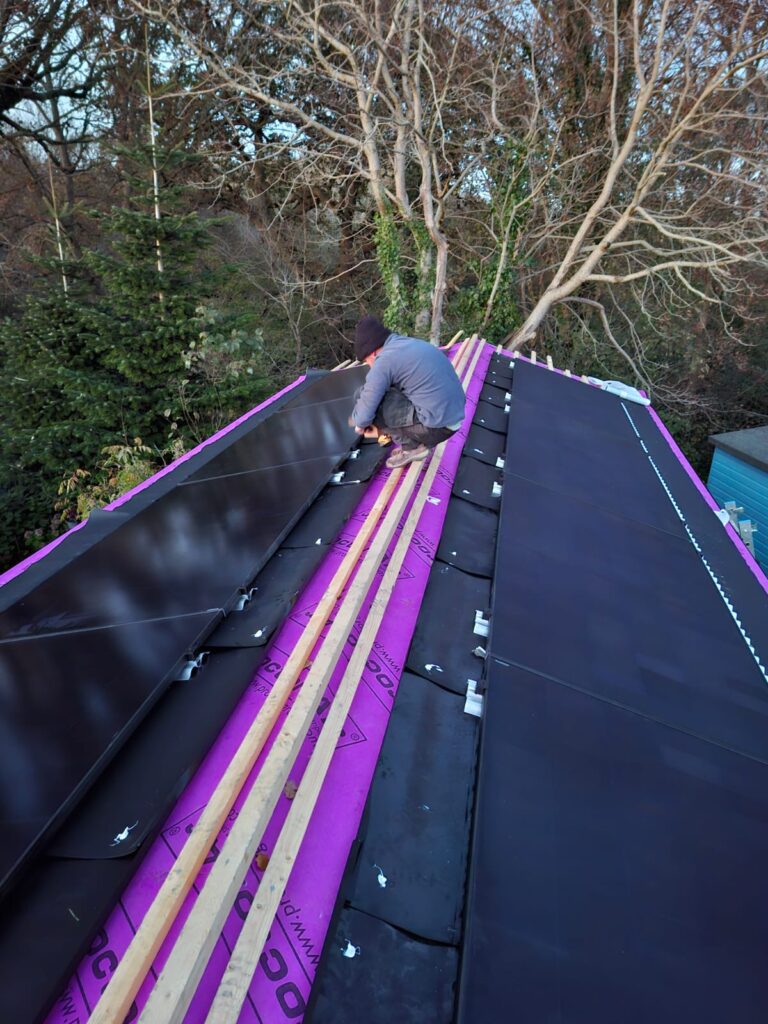
A lot of rural properties have multiple buildings, but not every roof will be suitable for solar.
Before designing a system, it is important to look at:
- Roof direction
- Roof pitch
- Structural condition
- Shading from trees or nearby buildings
- Available roof space
- Current electrical supply
- How electricity is distributed across the site
Some buildings may look ideal at first glance but may not be the best choice once shading, roof condition or cable routes are considered.
A good survey helps identify which roof or building will give the best return.
Planning and Local Considerations
Most rooftop solar installations are straightforward, but farms and rural sites can sometimes need extra care.
This is especially true for properties near conservation areas, listed buildings, protected landscapes or sensitive rural settings.
Across Dorset and Hampshire, this may include areas near the New Forest, Cranborne Chase, the Dorset National Landscape, the Purbecks or rural villages with stricter planning considerations.
In many cases, rooftop solar is still achievable, but the design may need to consider visibility, roof placement and local requirements. If planning permission is needed, it is always better to know early rather than after the design has been finalised.
Maintenance Matters for Commercial and Rural Solar
For commercial solar systems, maintenance should not be an afterthought.
Farms and rural businesses are often exposed to dust, debris, bird activity, leaves and weather conditions. Over time, this can affect panels, mounting systems and electrical components.
Regular checks can help ensure:
- Panels are clean and performing properly
- Fixings remain secure
- Inverters are operating correctly
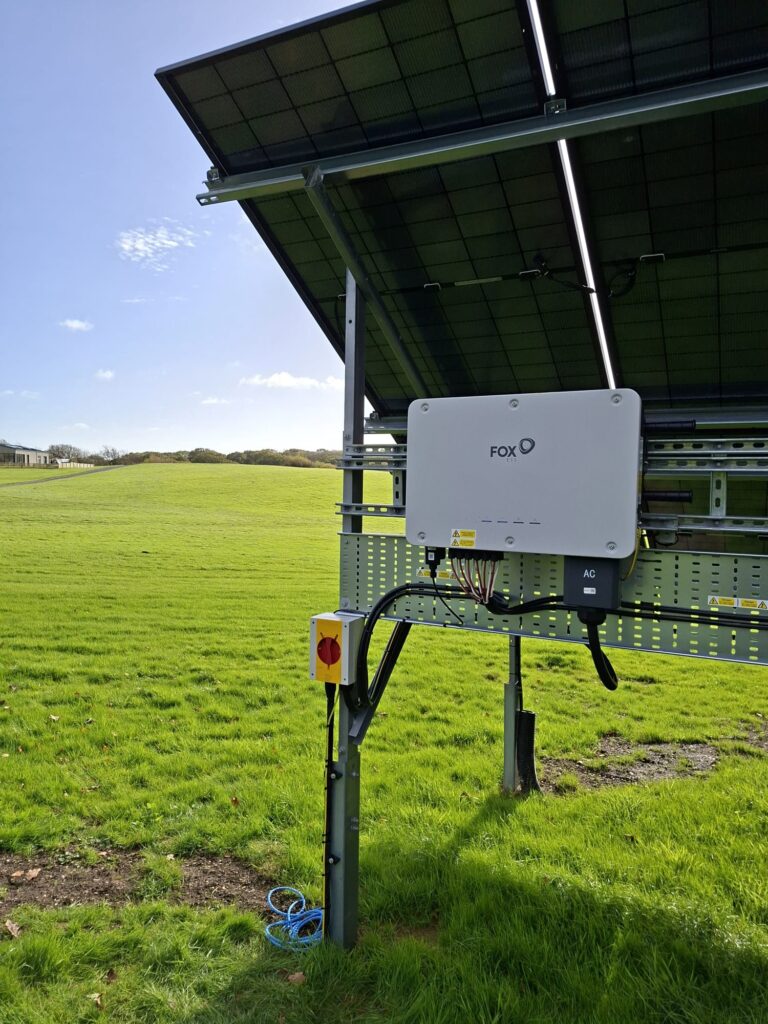
- Cables and isolators are in good condition
- Monitoring is showing expected performance
For commercial sites, maintenance records can also be useful for insurers, warranties and general compliance.
A solar PV system is a long-term investment, so it should be looked after properly.
Solar for Estates and Rural Commercial Properties
Solar is not only suitable for working farms.
It can also work well for:
- Rural offices
- Equestrian centres
- Storage sites
- Holiday lets
- Country estates
- Garden centres
- Agricultural suppliers
- Workshops
- Warehousing units
- Schools in rural locations
Many of these sites have high electricity use and suitable roof space. With the right design, solar panels and battery storage can help reduce running costs while improving the site’s energy efficiency.
Why Local Design Matters
A rural site in Dorset may have very different requirements from a commercial property in Hampshire.
Coastal areas may need consideration around weather exposure. More inland rural sites may have shading from mature trees or longer cable runs between buildings. Some farms may have large roof spaces but older structures that need checking before panels are fitted.
This is why a tailored survey is so important.
The system should be designed around the property, the electricity usage and the long-term plans for the site.
Solar Installations Across Dorset and Hampshire
Peak Electrical & Renewables works with homeowners, businesses and rural clients across Dorset, Hampshire and the surrounding areas.
From smaller residential installations to larger commercial solar PV systems with battery storage, every project should be designed around practical energy use and long-term performance.
For farms and rural businesses, solar can be a smart way to make better use of existing buildings, reduce electricity costs and take more control over future energy use.
Is Solar Worth Considering for Your Farm or Rural Business?
If your farm, estate or rural business uses a lot of electricity during the day, has suitable roof space and wants to reduce reliance on the grid, solar panels could be a strong option.
The right system can help turn unused roof space into a working energy asset.
A proper survey will give a clearer view of what can be installed, how much electricity could be generated and whether battery storage would make sense for the site.

Do you need help from our experts?
Give us a call today to get expert advice and support from our experienced team.